ISSUE 7 Editor's Note Meet Marianne & Bastian Emil |
|
|
|
|
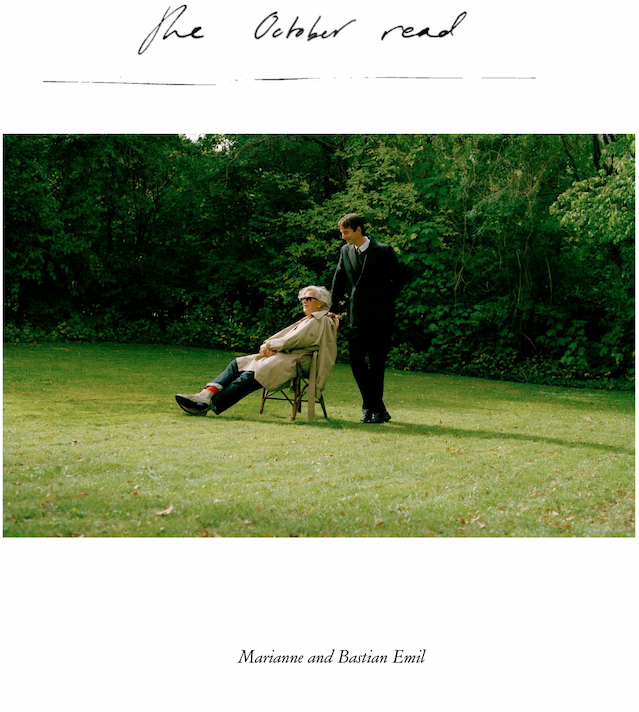
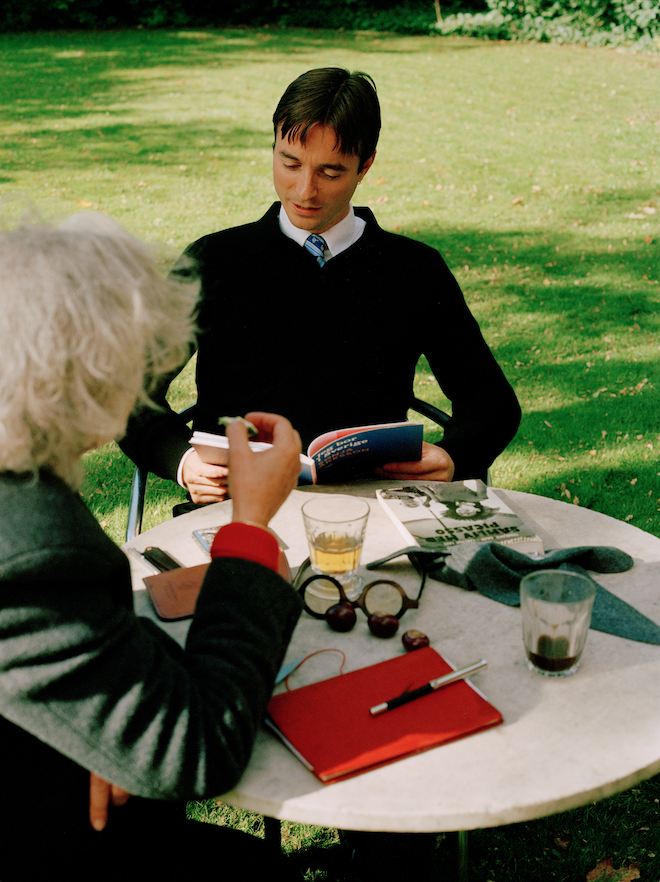
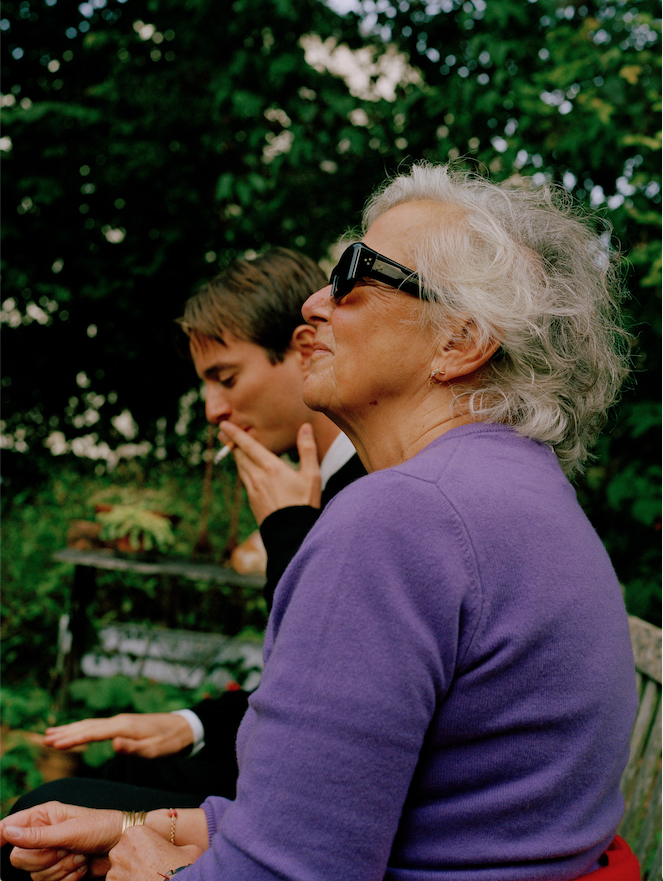
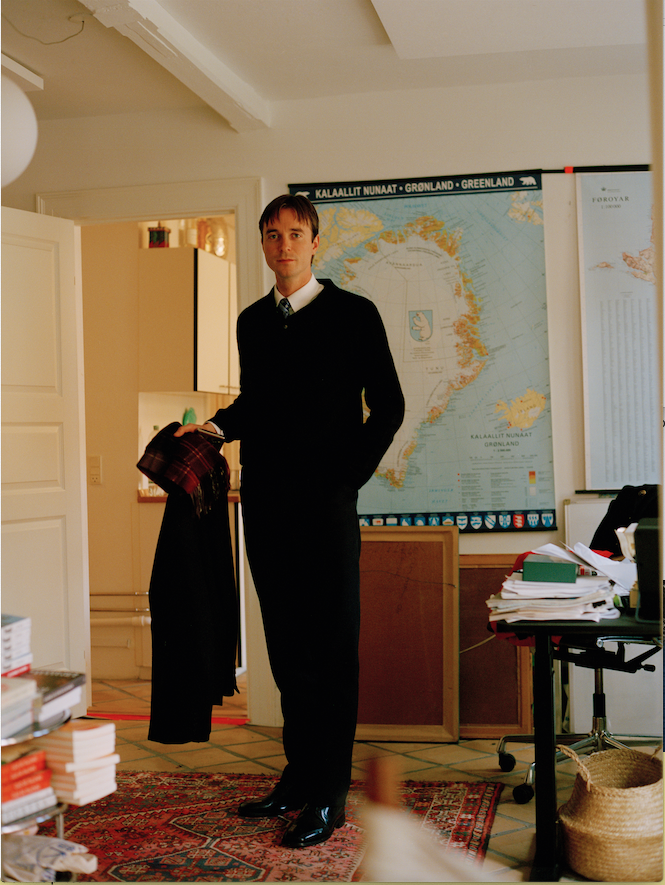
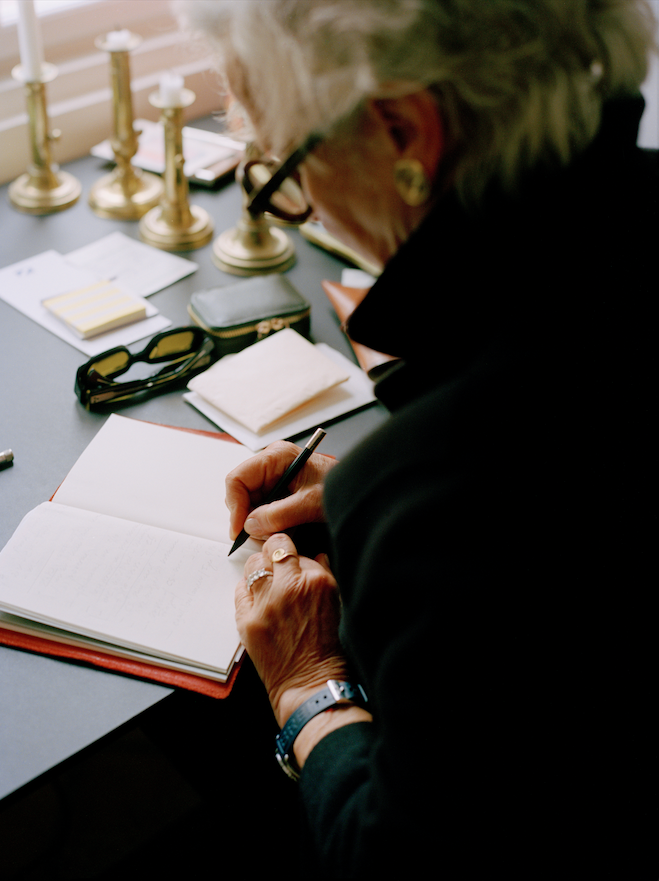
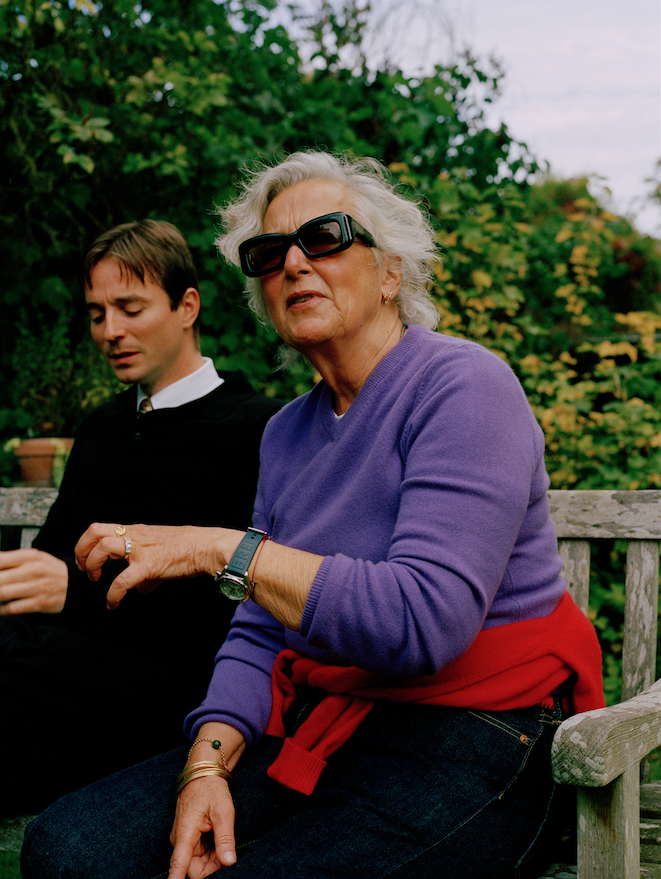
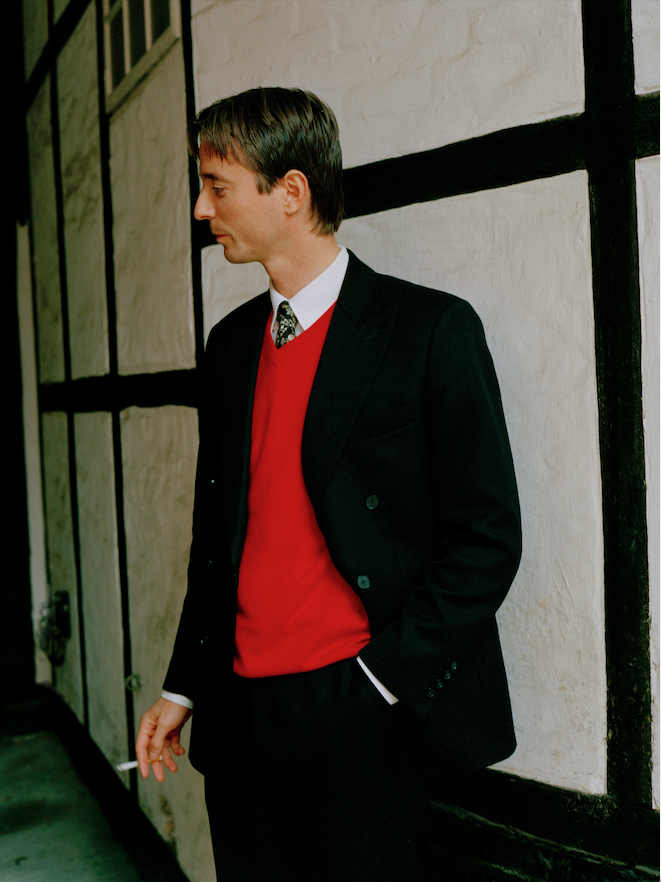
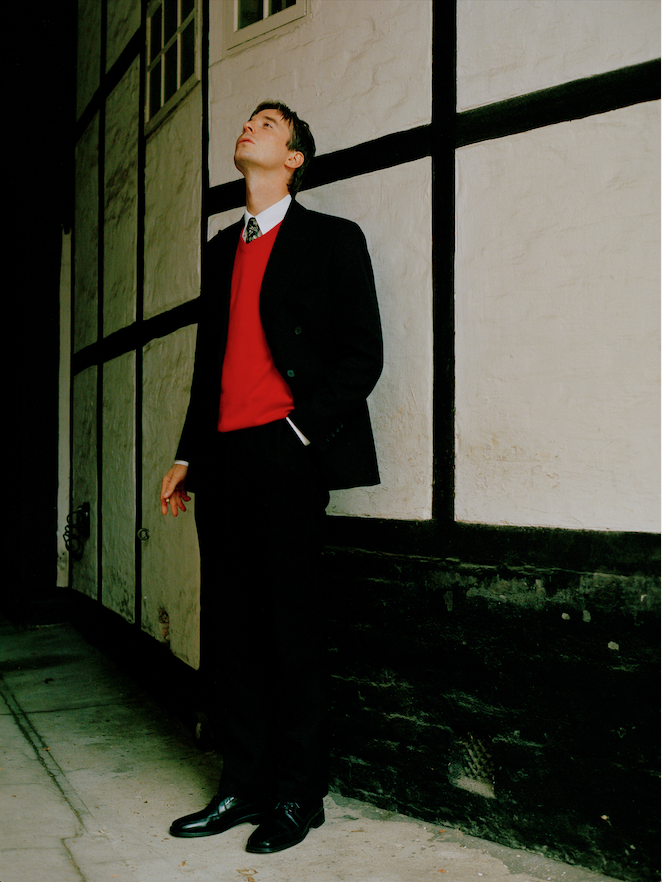
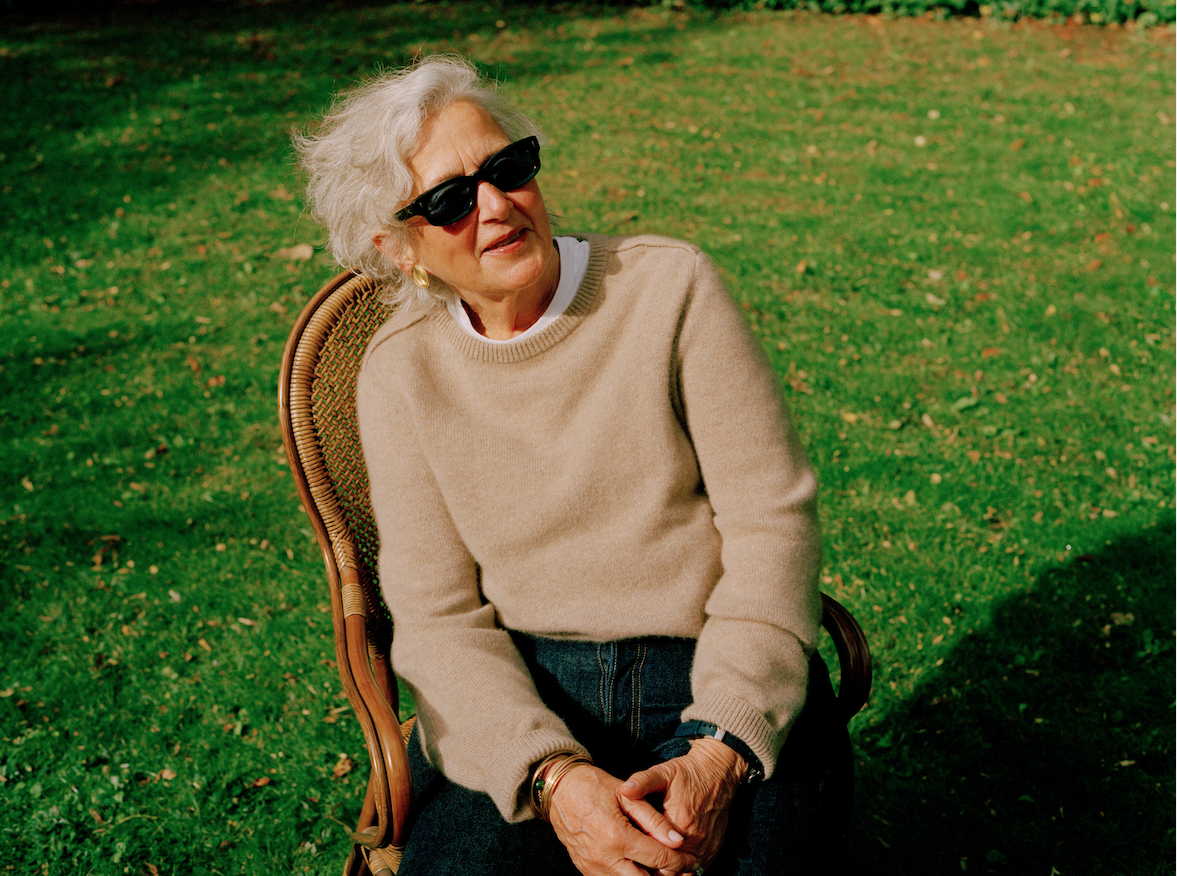
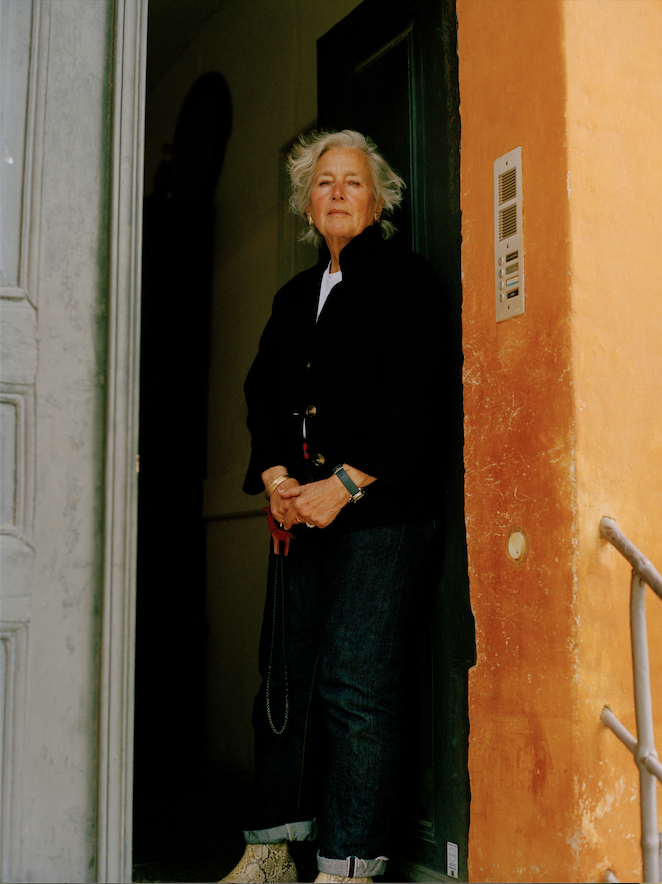
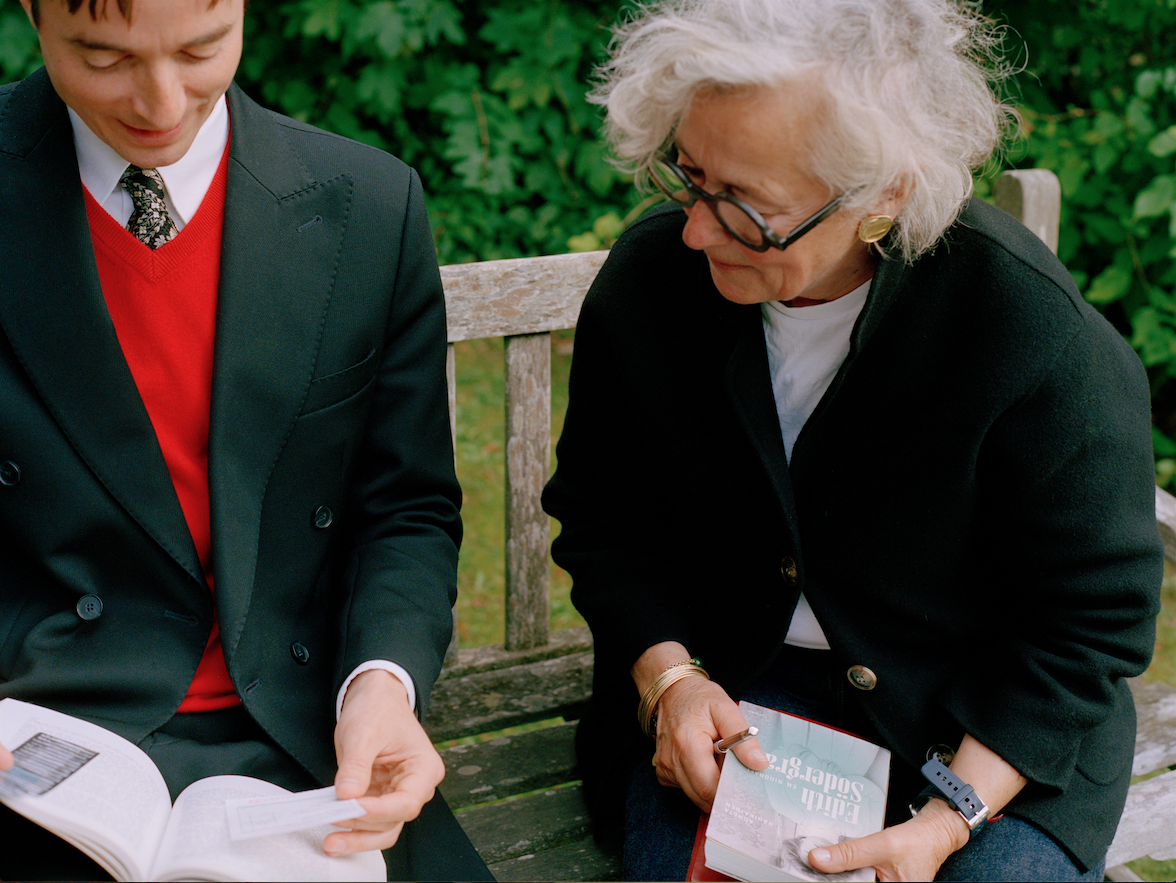
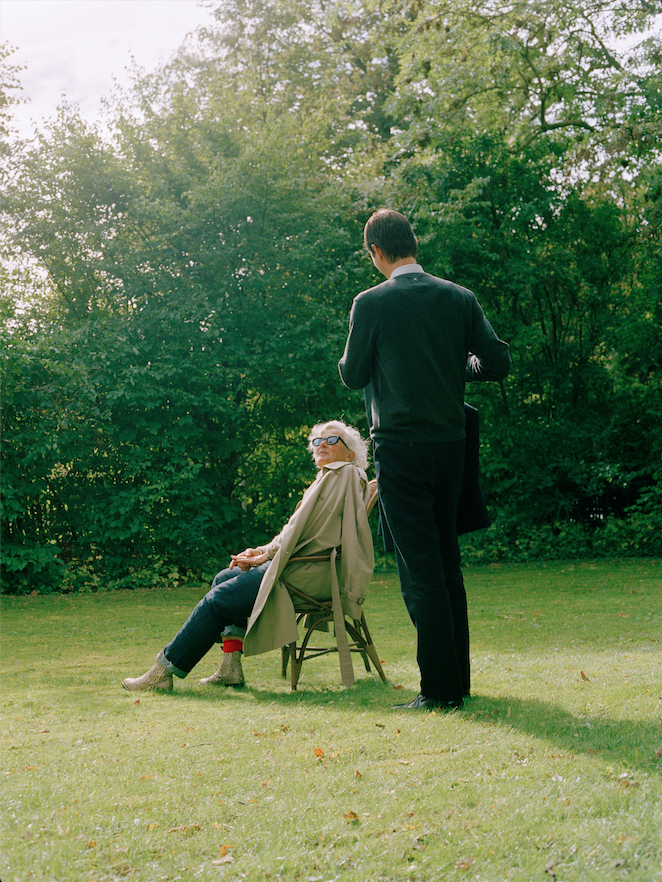
We spent a late-September afternoon in a Copenhagen garden with Marianne Christensen and Bastian Emil Goldschmidt, captured through the lens of Lasse Dearman.
Both long-time friends of PRC, they have built a friendship of their own over the years, shaped by mutual admiration and curiosity for one another. In our conversation, they reflect on Jørgen Leth and the story of how their paths first crossed, exploring the ideas and encounters that have brought them together. Two distinct generations, connected by a shared love of writing, film, and the power of language. Above all, they share an openness to the world: a desire to observe, to question, and to keep discovering. They are as curious about one another as they are about the world they move through. Marianne and Bastian Emil meet across generations, not to bridge the distance between them, but to create something meaningful out of it. In doing so, they inspire one another, and us, too. Thank you, Marianne and Bastian Emil, for sharing your story. We hope you love this edition as much as we do. Thank you for reading.
/ People’s Republic of Cashmere |
|
|
|
An Afternoon
with Marianne and Bastian Emil |
|
|
|
How did you meet, and how far back does your relationship go? What connects you to each other, and what is your relationship? Marianne: We met in September 2019 at Granola, at a cultural evening where Jørgen Leth and Bastian Emil were going to talk about the book Coppi & Bartali, which Bastian Emil had translated and published. A small, thin pink book - like the leader’s jersey of the Giro d’Italia. Jørgen Leth had invited me along. Bastian Emil was well-mannered, very well-dressed, knowledgeable, and very young. Jørgen Leth and Bastian Emil clicked really well, both during dinner and in the conversation afterwards. I thought these two should do more together, like a podcast about cycling. And they did: the book Once Upon a Time There Was a Man Named Fausto Coppi. Through this work, Bastian Emil and I got to know each other more and better. And we began seeing each other without Jørgen Leth as well. What connects us across generations is cycling, film, and, above all, conversations about literature, the world at large, and observations on fashion, trends, and changes to everyday life. |
|
|
|
Bastian Emil: I remember Granola too. I was 25 years old and hadn’t published any books yet, and I was sitting there in a suit, perhaps looking a little out of place. We had fun and drank wine and talked about cycling. I also remember her distinctive glasses, the Montblanc ballpoint pen with green ink, her red leather-bound notebook, and her Louboutin shoes. Marianne is the epitome of cool to me. There was a particular coolness about Marianne and Jørgen together. Jørgen with his laissez-faire attitude in contrast to Marianne’s elegant sense of self. I remember fragments of our conversations. Both Jørgen and Marianne have a particular way of using language. A love of words. We talked about the food as we ate: Artichokes. Artichokes. Parsnips. Parsnips. Olives. Olives. Marianne and Jørgen took turns repeating the words, to the amusement of us all. Those are the kinds of scenes I associate with Marianne today. Because language is taken seriously in a particular way, the conversation never becomes boring. |
|
|
|
What are you each working on right now? Are you working on something together? Marianne: I’m working on the new Dogme films right now, as a production supervisor, that is, Dogme25. And I’m also part of the development of a cycling film with Andreas Kofod & Bastian Emil. Bastian Emil: I think that, in a way, we are always working on something together. We have made a book about Spain together. We are working on a film. We go on little outings. Not long ago, we saw Per Kirkeby’s mosaics in Gentofte Church. I think it is a sign of a good friendship to have the desire to work on something together. |
|
|
|
Bastian Emil, cashmere wasn’t something you used to wear yourself. What does it mean to you today, and has it become part of your uniform? Bastian Emil: I’m fascinated by the story of the cashmere goat’s soft undercoat. It’s quite extraordinary that this very undercoat is what gives us such soft clothing. I love the idea of animals and humans existing in a shared constellation. The goats in Inner Mongolia are so tough and soft at the same time. And because people look after them and care for them, they can comb out the soft undercoat and transform it into a soft sweater. I think it’s a shame that most people wear polyester today. It makes so much noise when someone in a polyester jacket walks in front of you. Then I have to turn around and go the other way. I like to daydream about natural materials. Sheep and goats grazing on mountain slopes. It’s a sight I can never get enough of. |
|
|
|
Marianne, how do you think quality has developed over the years, from when you were young to today? Marianne: I have more or less worn the same clothes since I was 16: jeans, a white shirt with a clean front, and a cashmere sweater worn or draped over the shoulders. When I was a child, cashmere was something fine and expensive. My father always had a grey V-neck and a grey cardigan with pockets, in cashmere. They were from Brødrene Andersen, which was a menswear store on Strøget. When the fabric wore thin at the elbows, my father did NOT want patches on them. They were sewn on anyway, and I inherited the sweaters, which were extra beautiful from being worn. When I started buying cashmere myself, it was in London or New York, in specialty shops. I would also purchase at Banana Republic, which had classic styles, or in Italy, where they had very particular yellow and pale blue colours in cashmere. For me, cashmere is an everyday luxury, in every season, also when I’m at the beach, or in warm countries. A cashmere sweater is ‘a friend’, soft, warm, beautiful, both decorative and practical. In our time, sweaters come in many qualities, and the material has become more ‘democratic’, and is available from countless brands. I’m happy with my cashmere from PRC. The buttons don’t fall off, the shape holds, and most of the styles are either completely classic or classic with a twist. And the colours are perfect. I was actually raised with sustainability in mind; it's better to have one thing of good quality than many things of poorer quality. I only understand the reasoning behind this now, as an adult, and I send a loving thought to my parents. |
|
|
|
You both share a love of materials, craftsmanship, and mastering a particular skill. What does it mean to preserve the value of the handmade in an increasingly digital world? Bastian Emil: I believe that the physical world is almost considered an enemy of society today. Everything has to be squeezed into an application or onto a screen. Everything has to be smart and practical. Keys, maps, door handles, buttons, ballpoint pens, and books are slowly disappearing. It weakens our connection to the sensory world around us. It has led to a decline in the quality of almost everything produced today. This is also because everything has to be produced so quickly. I see the remaining proud crafts, the respect for tradition and origin, as the very antidote to the cold, hard digital world. |
|
|
|
Lastly, what have you learned from each other? How do you inspire each other? Marianne: A thoughtful, ongoing conversation across generations is a great gift to me. Bastian Emil has a sharp, observant eye and inspires me every day. Bastian Emil: I ask Marianne for advice. Whether it’s about writing or commenting on cycling. In dilemmas, I think: What would Marianne do? She always sees a matter from several perspectives and always remembers the classic virtues: politeness, propriety, and care. During difficult times, you can always count on a daily encouraging message. I remember that in Jørgen’s book My Heroes, there is a dedication to Marianne at the beginning. I understand very well why that is precisely the book he had to dedicate to her. |
|
|
|
Photography by Lasse Dearman. |
|
|
|
|
|
|